Microbiology Laboratory Turkey

Mikrobiyoloji Ile Ilgili Tüm Konuların Kısa ve Öz Anlatımları. Microbiology Lab Information.

Bu Blogda Ara(SEARCH)

MicroLab

bacteria etiketine sahip kayıtlar gösteriliyor. Tüm kayıtları göster

31 Ocak 2019 Perşembe

Ocak 31, 2019

Gram Negative Bacteria

Gram Negative Bacteria

Gram negative bacteria are bacteria that do not retain the crystal violet dye in the Gram stain protocol. Gram negative bacteria will thus appear red or pink following a Gram stain procedure due to the effects of the counterstain (for example safranin).

The Gram Stain

In microbiology, the visualization of bacteria at the microscopic level is facilitated by the use of stains, which react with components present in some cells but not others. This technique is used to classify bacteria as either Gram-positive or Gram-negative depending on their colour following a specific staining procedure originally developed by Hans Christian Gram. Gram-positive bacteria appear dark blue or violet due to the crystal violet stain following the Gram stain procedure; Gram-negative bacteria, which cannot retain the crystal violet stain, appear red or pink due to the counterstain (usually safranin).


The reason bacteria are either Gram-positive or Gram-negative is due to the structure of their cell envelope. (The cell envelope is defined as the cell membrane and cell wall plus an outer membrane, if one is present.) Gram-positive bacteria, for example, retain the crystal violet due to the amount of peptidoglycan in the cell wall. It can be said therefore that the Gram-stain procedure separates bacteria into two broad categories based on structural differences in the cell envelope.

Cell Envelope of Gram Negative Bacteria

The Gram negative cell envelope contains an additional outer membrane composed by phospholipids and lipopolysaccharides which face the external environment. The highly charged nature of lipopolysaccharides confer an overall negative charge to the Gram negative cell wall. The chemical structure of the outer membrane lipopolysaccharides is often unique to specific bacterial strains (i.e. sub-species) and is responsible for many of the antigenic properties of these strains. Many species of Gram-negative bacteria are pathogenic. This pathogenicity is often associated with the lipopolysaccharide (LPS) layer of the Gram-negative cell envelope.

Characteristics of Gram Negative Bacteria

Gram-negative bacteria have a characteristic cell envelope structure very different from Gram-positive bacteria. Gram-negative bacteria have a cytoplasmic membrane, a thin peptidoglycan layer, and an outer membrane containing lipopolysaccharide. There is a space between the cytoplasmic membrane and the outer membrane called the periplasmic space or periplasm. The periplasmic space contains the loose network of peptidoglycan chains referred to as the peptidoglycan layer.

Gram Negative Bacteria
  • Acinetobacter
  • Actinobacillus
  • Bordetella
  • Brucella
  • Campylobacter
  • Cyanobacteria
  • Enterobacter
  • Erwinia
  • Escherichia coli
  • Franciscella
  • Helicobacter
  • Hemophilus
  • Klebsiella
  • Legionella
  • Moraxella
  • Neisseria
  • Pasteurella
  • Proteus
  • Pseudomonas
  • Salmonella
  • Serratia
  • Shigella
  • Treponema
  • Vibrio
  • Yersinia


INSTAGRAM

4 Ocak 2019 Cuma

Ocak 04, 2019

Urinary Tract Infection (UTI)

Urinary Tract Infection (UTI)


Reddening caused by urinary tract infection of the urinary tract lining, and consequently cause irritation and pain, urinary disturbance and frequent blood is causing symptoms such as the need to urinate. If the infection spreads to your kidneys can become a serious health problem.

The urinary tract is one of the body's fluid waste products which produce and store urine. Normal urine bacteria (germ) is not.However, sometimes the bacteria enters the urinary tract outside the body and causes infection and inflammation. This is a urinary tract infection. Infection urethra (urethritis called state), kidneys (pyelonephritis name given situation) or bladder (a condition called cystitis) as appropriate. Cystitis is the most common type of urinary tract infection.

WHAT ARE THE SYMPTOMS OF URINARY INFECTION?
A urinary tract infection, reddening of the lining of the urinary tract, causing irritation, which may form part of the following symptoms:
- Side (abdomen), abdomen or pain in the pelvic region 
- Sub-pelvic pressure 
- the need for Frequent Urination 
- painful urination (dysuria) 
- Urine emergency exit needs 
- Incontinence (urine leakage) 
- Night of the need for frequent urination 
- Abnormal urine color 
- Blood in the urine 
- Strong or foul-smelling urine


Other Symptoms That Can Be Associated With Urinary Tract Infections Include:

- Pain in the side of the body 
- Fatigue 
- Fever 
- Shivering 
- Vomiting 
- Mental confusion


CAUSES Urinary Tract Infection?

Urinary tract infections, urinary tract and bladder that causes inflammation and entering the microorganisms (usually bacteria ) to occur.

More than 90 percent of cases cystitis, normally in the gut bacteria is from E.coli caused.


HOW Urinary Tract Diagnosed?
A urinary tract infection following tests are used to diagnose:
Urinalysis:  Red blood cells, white blood cells and examines urine for bacteria (number of white and red blood cells indicates an infection.)
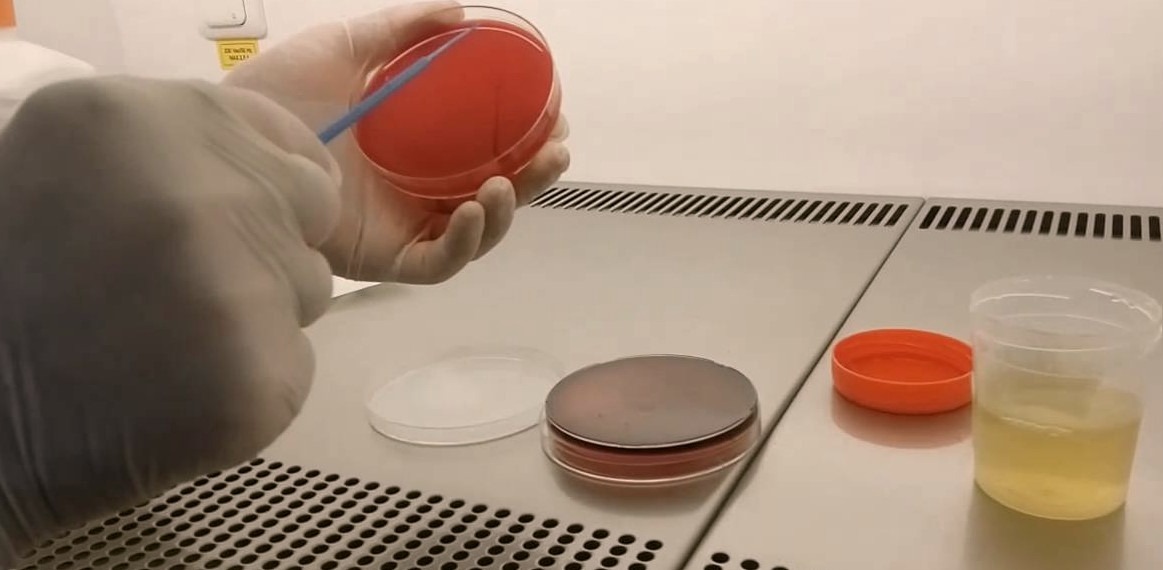
Urine culture to determine the type of bacteria in the urine :  This is important to help determine the appropriate treatment.

Infection does not respond to treatment or if you have recurring infections, urinary be done in terms of the following tests to examine your way through disease or injury:


Intravenous Pyelogram (IVP):  After a special dye bladder, kidney, ureter and an array of X-ram is injected. (paint, helps you look better on X-ray).
Ultrasound:  A test that uses sound waves to create images of internal organs
Cystoscopy:  The urethra through a lens and a light source to see inside the bladder (cystoscopy) equipped with a test that uses a special tool.
CT Scan:  Body sections (such as strips) an X-ray field type (the typical X-ray is more sensitive)

Urinary Tract HOW IS IT TREATED?
Antibiotics are drugs that kill bacteria, used to treat urinary tract infections. Your doctor will choose the bacteria that cause you to enfeksiyonunları a treatment drug. Antibiotics are commonly used include:
- Nitrofurantoin (A preparation antibiotics that fight bacteria in the body) 
- sulfonamides (sulfa drugs - antibacterial are composed of sulfonic acid) 
- Amoxicillin (causes of death by disrupting the cell walls of bacteria) 
- Cephalosporins (both structural and antibiotics resembling penicillin its effects both) 
- Trimethoprim / sulfamethoxazole 
- Doxycycline (usually recommended for treatment of acne and infectious) 
- Quinolones (obtained from viable microorganisms that many antibiotic is obtained by chemical means as opposed to synthetic substances)
Adhere strictly to the instructions of your doctor while taking medication is very important. Antibiotics do not leave prematurely. If the infection is completely cured with antibiotic treatment, the risk of recurrence is high.